

Chicago, IL · Rat & rodent control
Rat Control in Chicago: We Find How They Get In, Then Shut It
Rats follow food, shelter and easy entry. We trace the route into your Chicago home or building, treat the activity and close the gaps.
- Open 24 hours Mon–Sat
- Sunday 8 AM–11 PM
- Emergency response
- Serving all Chicago neighborhoods
Seeing rats? Do not wait.
Rats can be pregnant again within 48 hours of giving birth, and a female can have 4 to 7 litters a year of 8 to 12 pups (Chicago.gov). Call (866) 382-0259 or check the signs of rats.
Why Chicago calls us
Why customers choose Rat Control Chicago Pros
We fix how rats get in, not just the rats you can see.
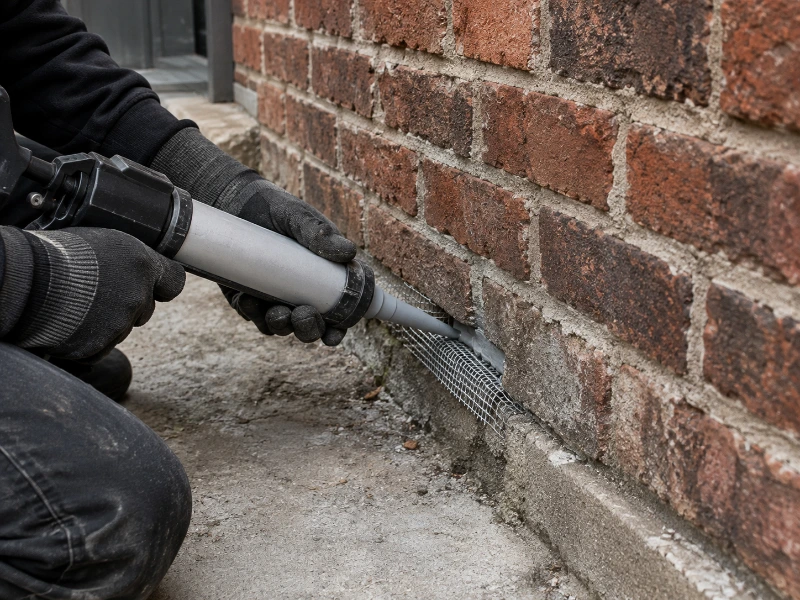
Whole-property inspection
We walk the exterior, basement or crawl space and the areas you noticed, then explain what we find.
Safety-minded treatment
Traps and bait stations are placed with children and pets in mind, and we tell you where everything is.
Almost same-day service
Almost same-day service, and we are available 24 hours Monday to Saturday, and until 11:00 PM on Sundays for rat and rodent emergencies.
Entry points sealed
Treatment without sealing brings rats back. We find the gaps and close them.
Clear explanations
You get an explanation of what we found, where, and what comes next.
Follow-up visit
After treatment we check the treated areas for new activity, so problems are caught early.
~43,400
rodent complaints to 311, April 2024 to April 2025
#2
on Orkin’s 2025 list of rattiest cities, behind Los Angeles
~8 days
average time for 311 to close a rodent request
4 to 7
litters a year per female Norway rat, 8 to 12 pups each
Services
Rat and rodent control services in Chicago
Pick the service that matches what you are dealing with, or call and we will point you to the right one.
How it works
Our 6-step rat control process
From the first call to the follow-up visit.
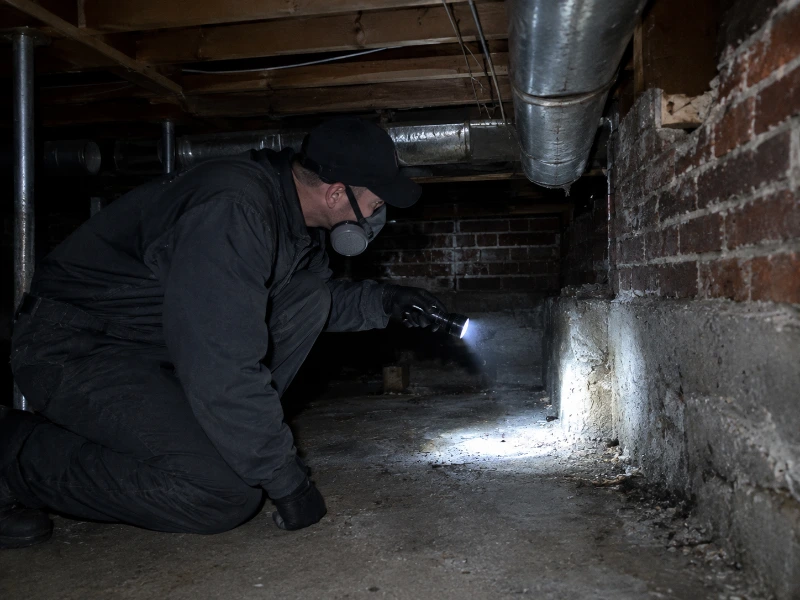
STEP 1
Call or request an inspection
Call (866) 382-0259 or use the form. Tell us what you saw and where.
STEP 2
We inspect the property
We check the exterior, basement or crawl space, and the areas you noticed.
STEP 3
We explain what we found
Where the rats are, how they are getting in, and what we recommend.
STEP 4
Treatment
Trapping and control measures placed with pets and children in mind.
STEP 5
Seal the entry points
Gaps and holes are closed so the problem does not come back.
STEP 6
Follow-up visit
We check back on the treated areas and look for new signs of activity.
Compare
Professional rat control vs doing it yourself
An honest look at what each option gets you.
| Rat Control Chicago Pros | DIY | |
|---|---|---|
| Inspection | Only what you can see | |
| Entry points | Found and sealed | Often missed |
| Speed | Almost same-day service | Depends on you |
| Follow-up | None | |
| Pets and kids | Treatment planned around them | Rodenticide can harm pets and kids |
Signs of rats
What Chicagoans notice first
Most people call after the second or third clue.
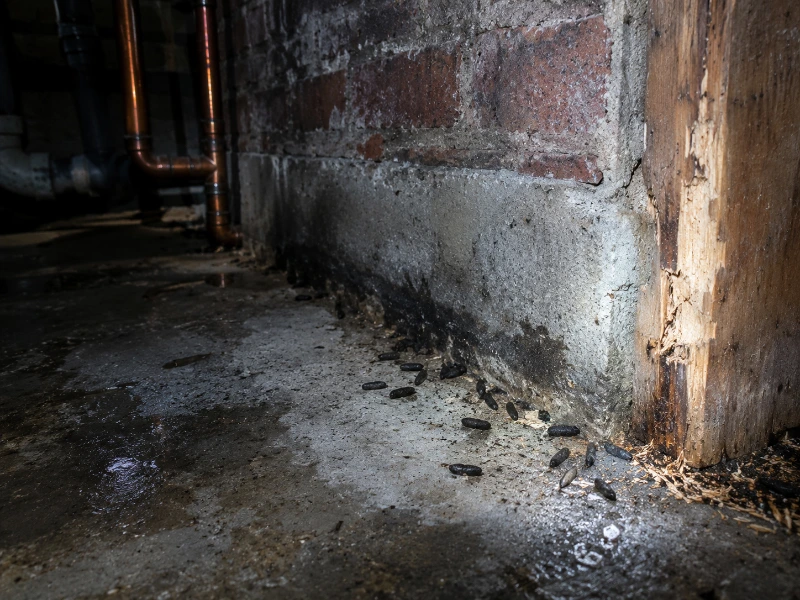
Burrows
Holes along foundations, slabs, steps and fences. Rats can use holes the size of a quarter.
Property types
We work on every kind of Chicago building
The building decides where rats get in and who has to fix it.
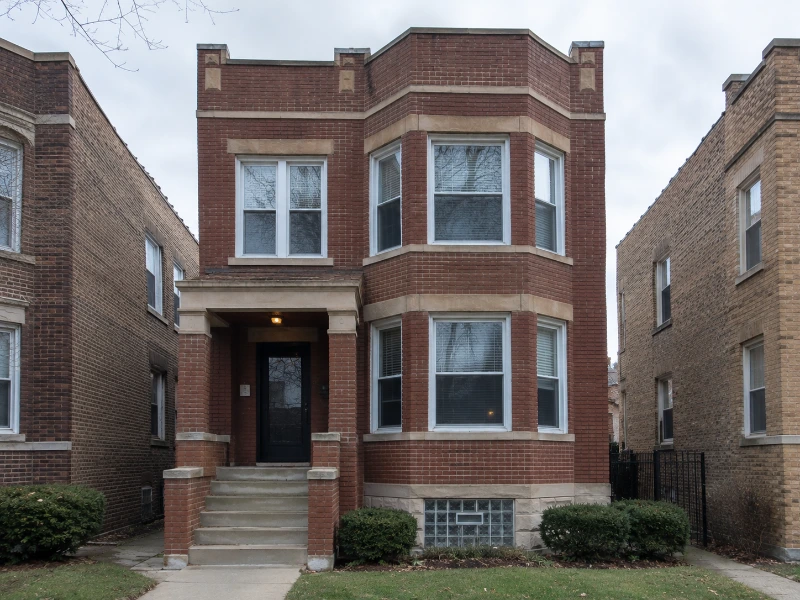
Case studies
Recent jobs across Chicago
Real jobs from West Town, Logan Square, Lake View and Lincoln Park, with before-and-after photos from each property.

West Town
Rat Activity Around an Older Two-Flat
What the customer saw: The homeowner reported scratching and movement sounds behind the kitchen wall, along with signs of rat activity near the basement.
What we found: During the inspection we found signs of rodent activity around the basement and identified a potential entry point near the foundation.
What we did: We inspected the basement, foundation area and accessible areas around the property, sealed the identified entry point and applied targeted rodent control measures in the affected areas.
Result: The entry point was secured, affected areas were treated, and the property was left with recommendations to help reduce the chance of recurring rodent activity.

Logan Square
Rat Signs Around a Two-Unit Building
What the customer saw: The customer noticed rat droppings around the back door and under the kitchen sink.
What we found: Our inspection focused on the kitchen, back-door area, lower-level spaces and accessible exterior entry points, where we identified areas rats could potentially use to enter the building.
What we did: We addressed the identified entry points, applied targeted rodent control measures around the affected areas and gave recommendations for reducing conditions that could attract rodents back.
Result: The identified access points were addressed, targeted control measures were completed, and the customer received recommendations for keeping the affected areas less attractive to rodents.
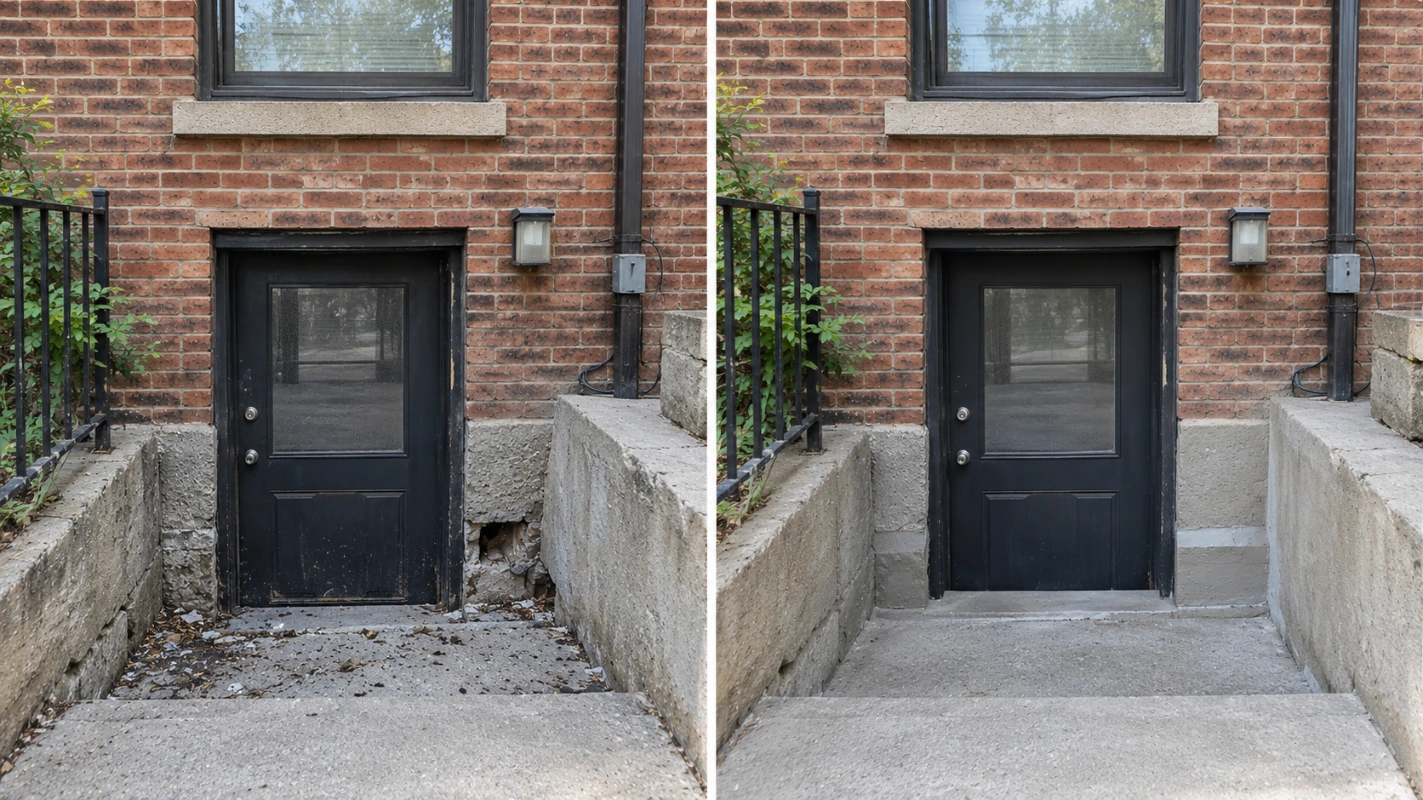
Lake View
Rodent Activity in a Multi-Unit Building
What the customer saw: Residents reported nighttime noises around the basement and utility area.
What we found: We inspected the basement, utility areas, surrounding foundation and accessible entry points. Several areas needed attention as part of the rodent-control process.
What we did: We checked the affected areas, addressed accessible entry points and carried out targeted rodent control measures, with recommendations for improving exclusion around vulnerable areas of the building.
Result: Targeted work was completed in the affected areas, vulnerable access points were addressed, and the property owner received recommendations for ongoing prevention.

Lincoln Park
Rat Droppings in Basement and Storage Area
What the customer saw: The customer found rat droppings in the storage and basement areas and wanted to know where the rodents were entering the building.
What we found: We inspected the basement, the storage area and accessible areas around the building for signs of rodent activity and potential entry points.
What we did: We identified areas needing attention, applied targeted rodent control measures and gave recommendations for sealing potential entry routes around the property.
Result: The affected areas were addressed, targeted control measures were completed, and potential entry routes were identified with recommendations for continued exclusion.
Planning the work
What shapes a rat control plan
Every property is different, so the plan depends on what the inspection finds.
Building type and size
A house, a two-flat, a condo building or a restaurant each call for a different approach.
Level of activity
Fresh droppings, burrows, gnawing and night noise show how active the rats are.
Entry points and access
Foundation gaps, utility lines, doors and vents decide how rats get in and what has to be sealed.
Cleanup needs
Droppings and contaminated areas may need cleanup after treatment.
Chicago housing
Why Chicago buildings are hard on rats and owners
About 29% of Chicago housing units are single-family homes, 28% are in 2 to 4 unit buildings and 42% are in buildings with five or more units. More than half of households rent (54.5%), and the median home was built in 1952 (CMAP, ACS 2019 to 2023). Older buildings, shared walls and shared garbage areas give rats more places to get in.
Service areas
Neighborhoods we have worked in
We serve Chicago. These neighborhoods have the most 311 rodent complaints we have worked on.
West Town
2,116 rodent complaints to 311, the most in Chicago (Apr 2024 to Apr 2025).
After treatment
What happens after treatment
- Check of trap and bait station activity
- Follow-up inspection of treated areas
- Check that sealed entry points are holding
- Simple garbage, food and storage habits that reduce return visits
- Written notes on what was found and done
Quick answers
Rat control in Chicago: quick answers
What should I do first if I see a rat in my house?
Stay calm, keep food and pet food sealed, and do not try to corner the rat. Note where you saw it, check for droppings and gaps nearby, and arrange an inspection. Rats rarely live alone, so one sighting usually means more are close by.
How do rats get into Chicago homes and buildings?
Rats use gaps around pipes, damaged foundation vents, broken door sweeps, gaps under garage doors and openings in brick or siding. A hole about the size of a quarter is enough for an adult rat. Rat proofing closes these routes.
What does a rat exterminator do?
A rat exterminator inspects the building to find where rats live and travel, removes them with traps or bait stations, and seals the entry points so new rats cannot get in. Learn more about a rat exterminator in Chicago.
Where do rats hide in a house?
Rats favor quiet spaces close to food and warmth: basements, wall voids, attics, crawl spaces, garages, under porches and behind appliances. Droppings, greasy rub marks and gnawed materials point to their routes.
Are rats dangerous?
Rats can spread disease through droppings, urine and bites, and they gnaw wiring and insulation, which can damage a building. Avoid touching droppings and never sweep them dry. See rat-borne diseases for details.
Can I get rid of rats without a professional?
A very small problem can sometimes be handled with traps and careful sealing, but rats return if any entry point stays open. Larger or repeat problems usually need an inspection to find the source. See DIY sealing steps and rat removal in Chicago.
FAQ
Questions we get
How fast can you come?
We offer almost same-day service and are available 24 hours Monday to Saturday, and 8:00 AM to 11:00 PM on Sundays, for rat and rodent emergencies.
Should I call 311 or a pro?
You can do both. A 311 request took about 8 days to close on average, so call us if you cannot wait.
How do rats get in?
Rats can use holes as small as a quarter, including gaps around pipes, vents, foundations and doors. We find and seal them.
How long do rats live and how fast do they breed?
Chicago.gov says Norway rats live 6 to 12 months, have 4 to 7 litters a year of 8 to 12 pups, and can be pregnant again within 48 hours.
Do you work with landlords and property managers?
Yes. We work on single-family homes, two-flats, condos, apartment buildings, mixed-use buildings and restaurants.

Contact
Tell us what you are seeing
Call anytime, or email us with what you saw, where and when.
Get the rats out, and the way they got in
Tell us what you saw, where and when.
Rat Control Chicago Pros · Open 24 hours Mon–Sat · Sun 8am–11pm